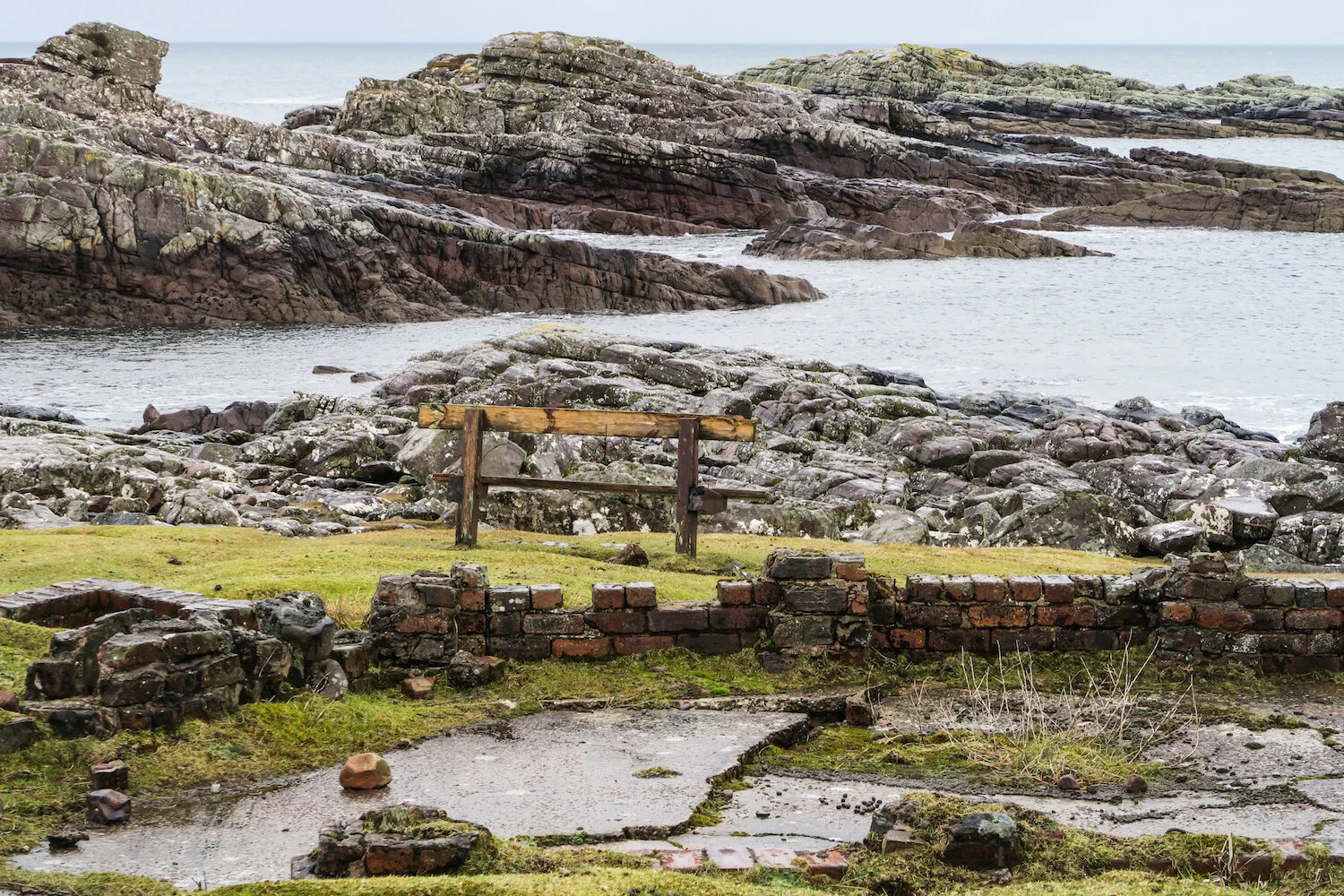
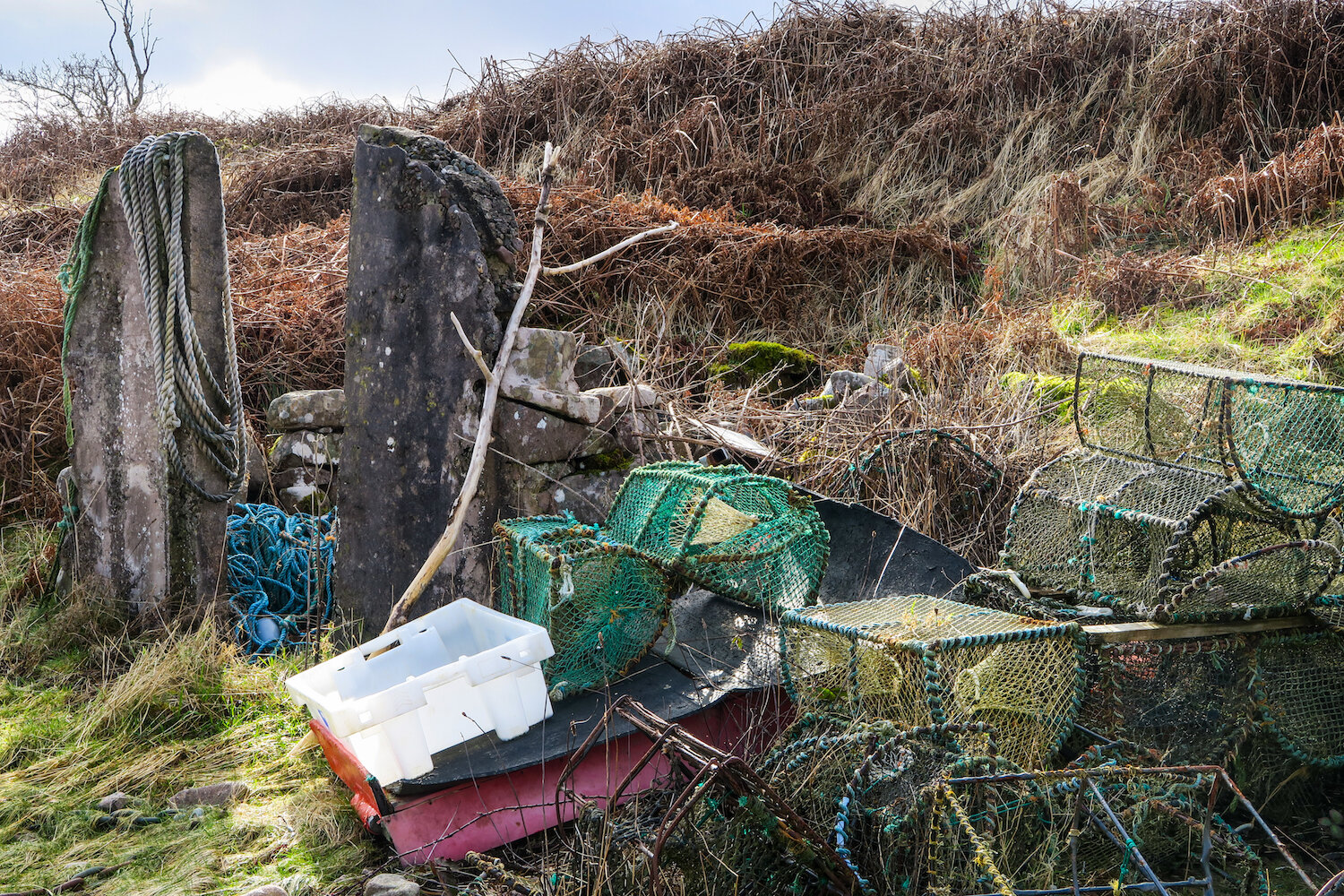
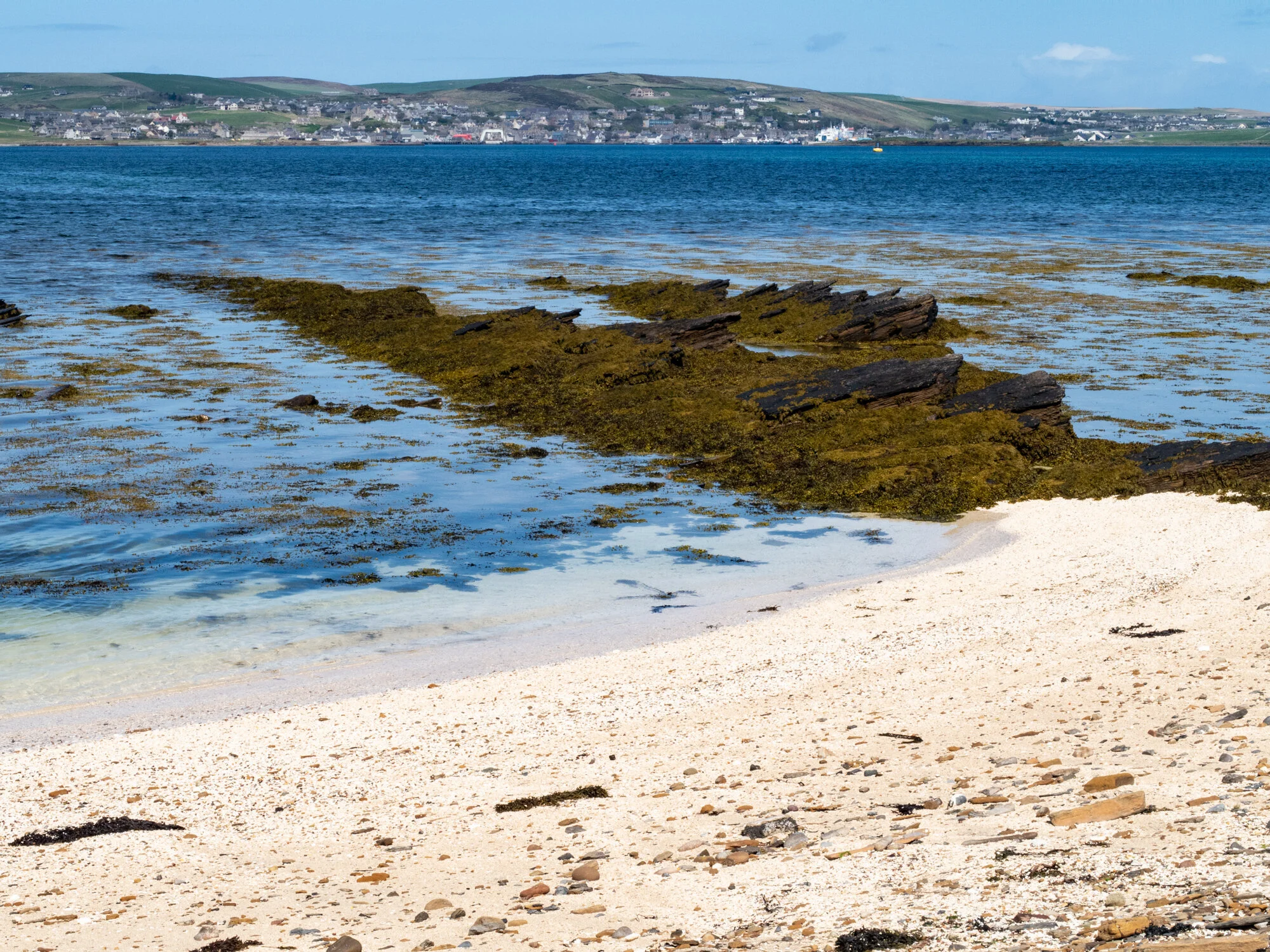
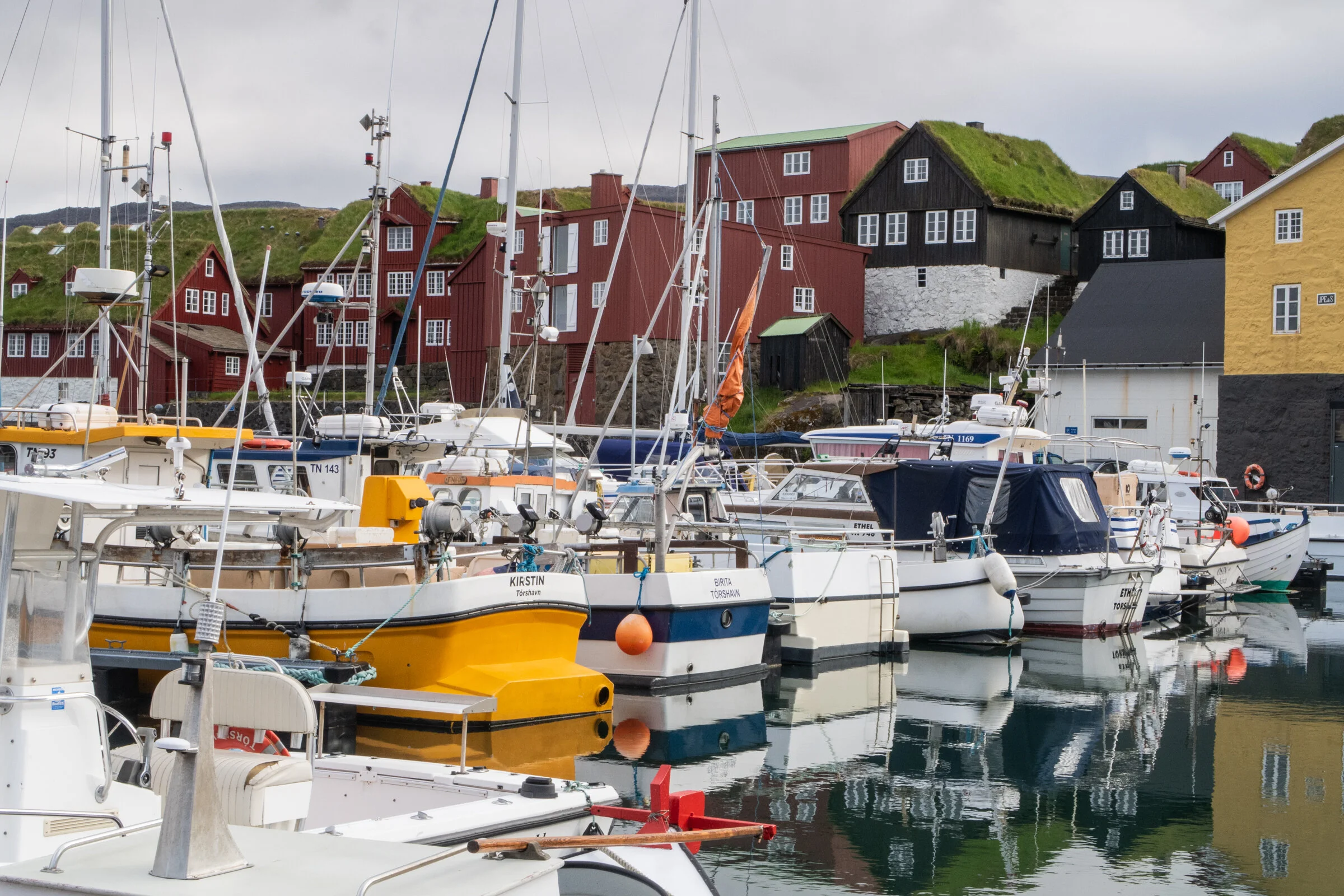
As communities living and working by the sea know well, coasts are among our most fragile environments. Subject to pounding waves and storm force winds, the land itself, with its cliffs and rocks, is eroded to pebbles and shifting sand, while organic matter from sea and shore is torn from its anchorage, thrown up and stranded above the tideline. Only slightly less dramatic are the daily tides that sweep the beaches clean twice a day. Longer time frames are involved in the falling and rising of sea levels which change the coastal landscape, leaving raised beaches, under-cut cliffs or low lying areas lost to the sea.
These natural processes of creation and destruction impact especially on local people but most of us value these places where land meets sea. The scenery, the opportunity to breathe fresh salt air, to play on the beach or look out to far horizons; all this draws us to the land’s edge for recreation and improves our sense of well being. Often it marks the limit of what we regard as our homeland and we feel passionate in its defence from both invasion and destruction. Yet through ignorance and arrogance we have set in motion processes that are accelerating beyond our control and now we must face the consequences of thoughtless pollution of the oceans, the land and the air we breathe. The planet is warming, sea levels are rising and weather systems are disrupted. Although these are natural trends, it is human activity that has increased the speed of change beyond the capacity for biological systems, even ourselves, to adapt. How do we, as photographers respond?
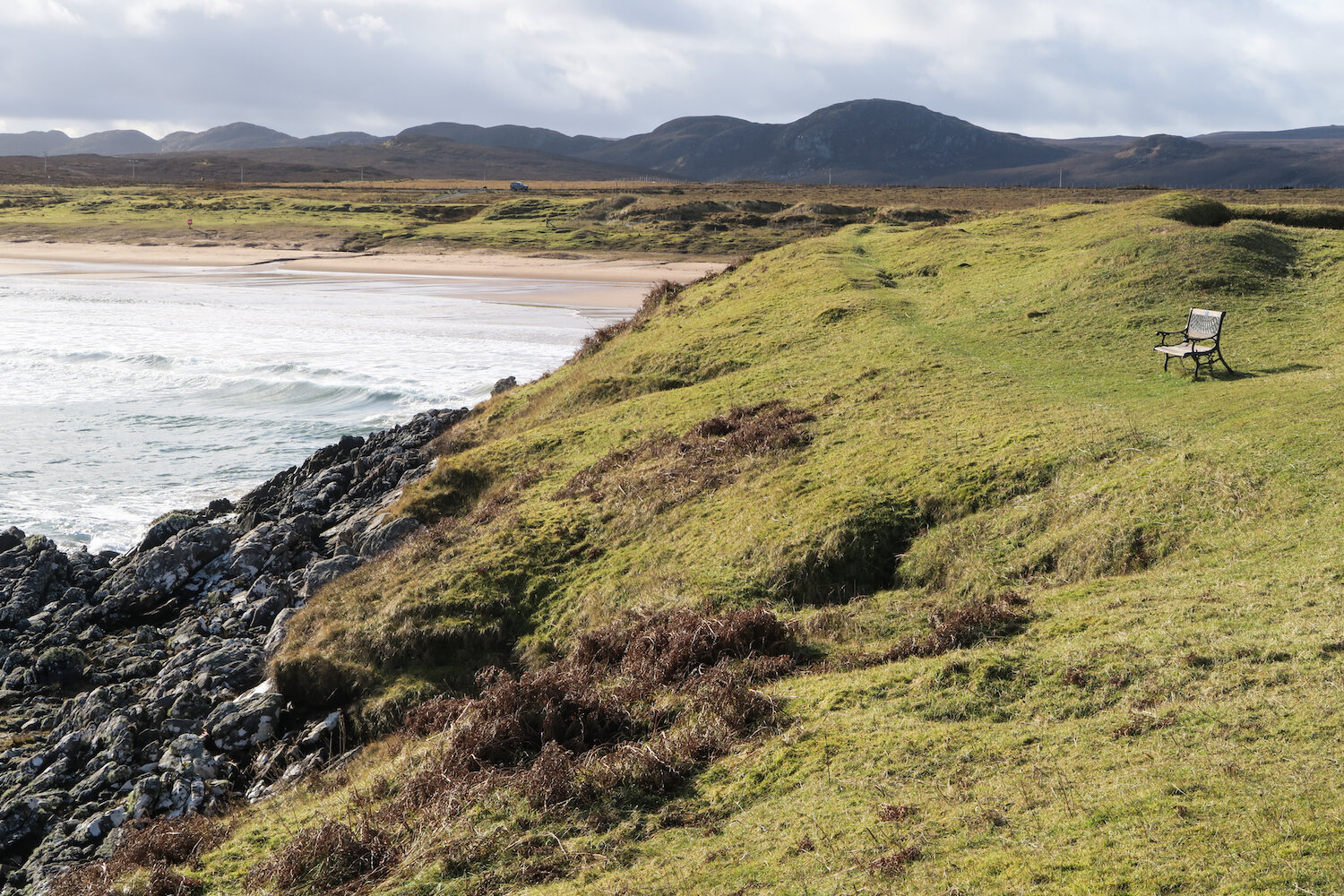
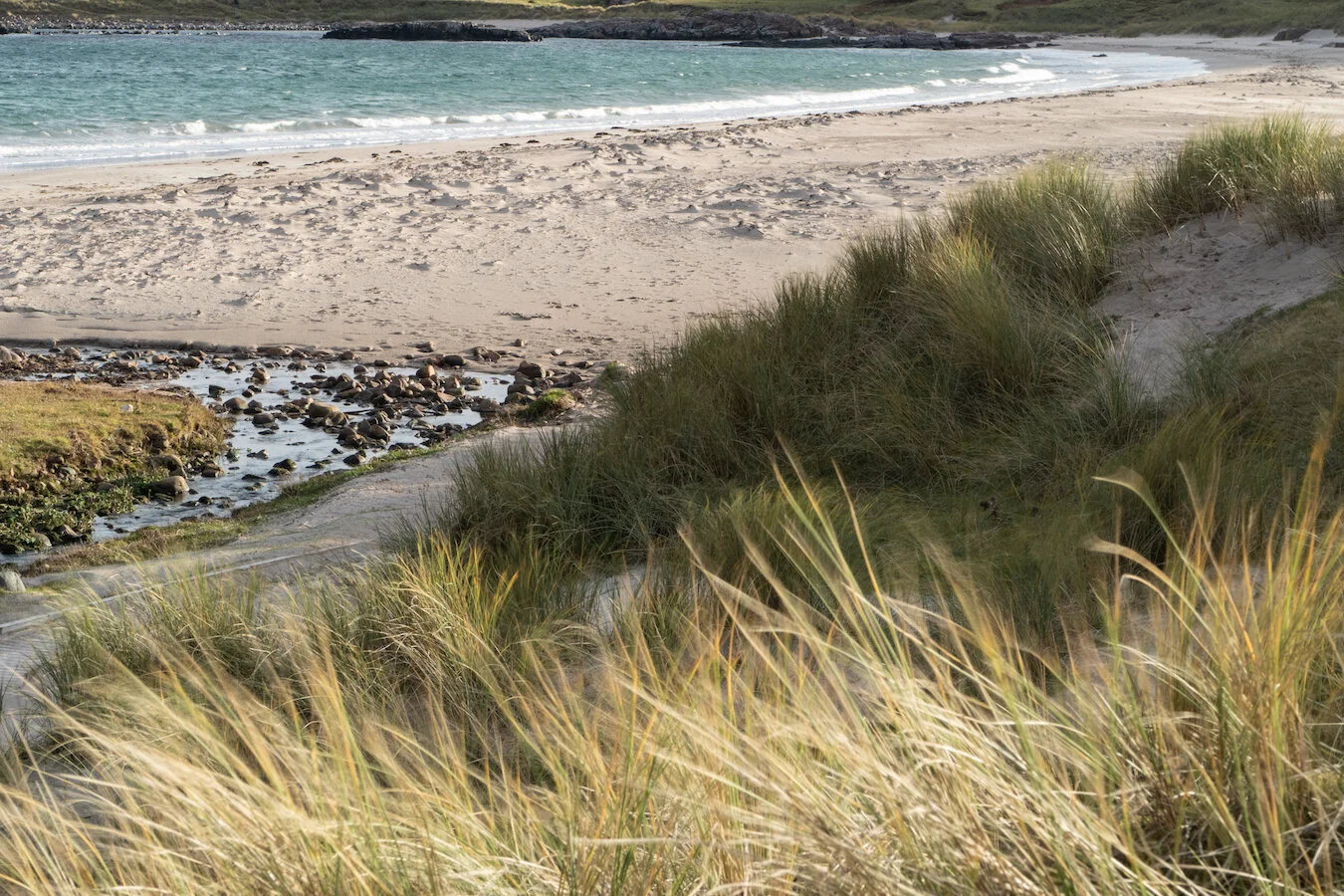
Firemore: Who could fail to appreciate the beauty of this beach and not wish to linger?